Project Category: All

Cleaner Linens, Cleaner Planet: Wastewater Recycling for a National Laundry Service

Client: A Large-Scale Commercial Laundry Operator

Location: United States

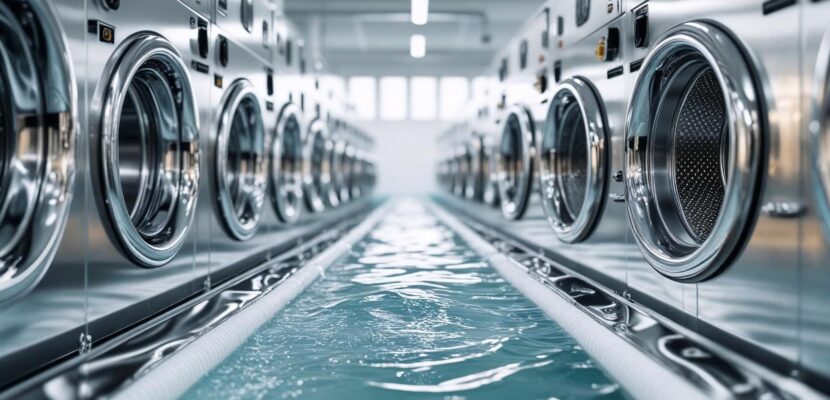
The Challenge: Industrial laundries are major consumers of water and energy. The wastewater discharged contains detergents, soaps, oils, and grease, presenting a compliance and cost challenge. The client was seeking to reduce its operational costs and improve its environmental footprint by implementing a water recycling system.

The Solution: The industrial projects company partnered with Ecolab to install a comprehensive water and energy management solution. The system included wastewater filtration and heat recovery technology. The process involved filtering the laundry effluent to remove suspended solids and other contaminants. The treated water was then clean enough to be reused in the washing process.

Furthermore, a heat exchange system was integrated to capture heat from the warm wastewater and use it to preheat the incoming fresh water, significantly reducing the energy required for water heating.

Key Project Features:

  • Technology: Wastewater filtration and heat recovery systems.
  • Process: Multi-stage filtration to remove contaminants for water reuse and heat exchangers for energy recovery.
  • Integration: Seamless integration into the existing laundry operations.

The Outcome: The project resulted in substantial resource and cost savings for the client. By recycling a significant portion of their process water and recovering heat, the laundry facility was able to operate more sustainably and economically.




Quantifiable Benefits:

  • Water Savings: A dramatic reduction in freshwater consumption.
  • Energy Reduction: Lower natural gas usage due to the heat recovery system.
  • Chemical Reduction: Optimized use of detergents and other chemicals.
  • Improved Brand Image: Enhanced reputation as an environmentally responsible company.

This example highlights the ability to deliver integrated solutions that address both environmental and economic goals for water-intensive industries.
From Wastewater to Wellpad: Produced Water Reuse in the Montney Region

Client: A Major Oil and Gas Producer

Location: Montney Basin, British Columbia, Canada

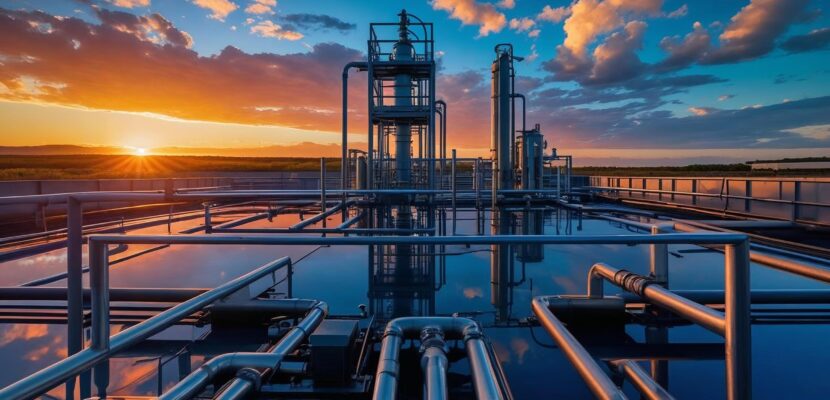
The Challenge: Hydraulic fracturing operations in the oil and gas industry generate vast quantities of “produced water” – a complex mixture of water, salts, hydrocarbons, and chemical additives from the fracturing process. Disposing of this water is costly, environmentally sensitive, and represents a loss of a valuable resource in often water-scarce regions. The client needed a solution to treat and reuse this produced water for subsequent fracturing operations, reducing freshwater consumption and disposal costs.

The Solution: The contracted industrial projects company implemented a multi-stage water treatment system designed to handle the challenging composition of produced water. A key component of the solution was Swirltex’s proprietary swirl-flow ultrafiltration (UF) technology. This innovative system is designed to handle high levels of suspended solids and oil, which would quickly foul conventional membrane systems.

The treatment train also included pre-treatment steps to remove larger solids and oil, followed by the UF system for fine filtration. The treated water was then suitable for reuse in the client’s operations.

Key Project Features:

  • Technology: Multi-stage treatment including Swirltex ultrafiltration.
  • Target Contaminants: Suspended solids, oil and grease, and bacteria.
  • Outcome: High-quality treated water suitable for reuse in hydraulic fracturing.

The Outcome: The project delivered significant economic and environmental benefits. By treating and reusing produced water, the client drastically reduced its reliance on fresh water, a critical consideration in a region with growing water demands.


Quantifiable Benefits:

  • Freshwater Reduction: Significantly less freshwater withdrawal for fracturing operations.
  • Cost Savings: Reduced expenses associated with water sourcing and wastewater disposal.
  • Environmental Impact: Minimized truck traffic for water transport and reduced the volume of wastewater requiring deep-well injection.

This project demonstrates the capability to tackle one of the most significant environmental challenges in the oil and gas industry through advanced, customized water treatment solutions.

Clear for Takeoff: Heathrow Airport’s Glycol Runoff Solution

Client: Heathrow Airport Holdings

Location: London, United Kingdom

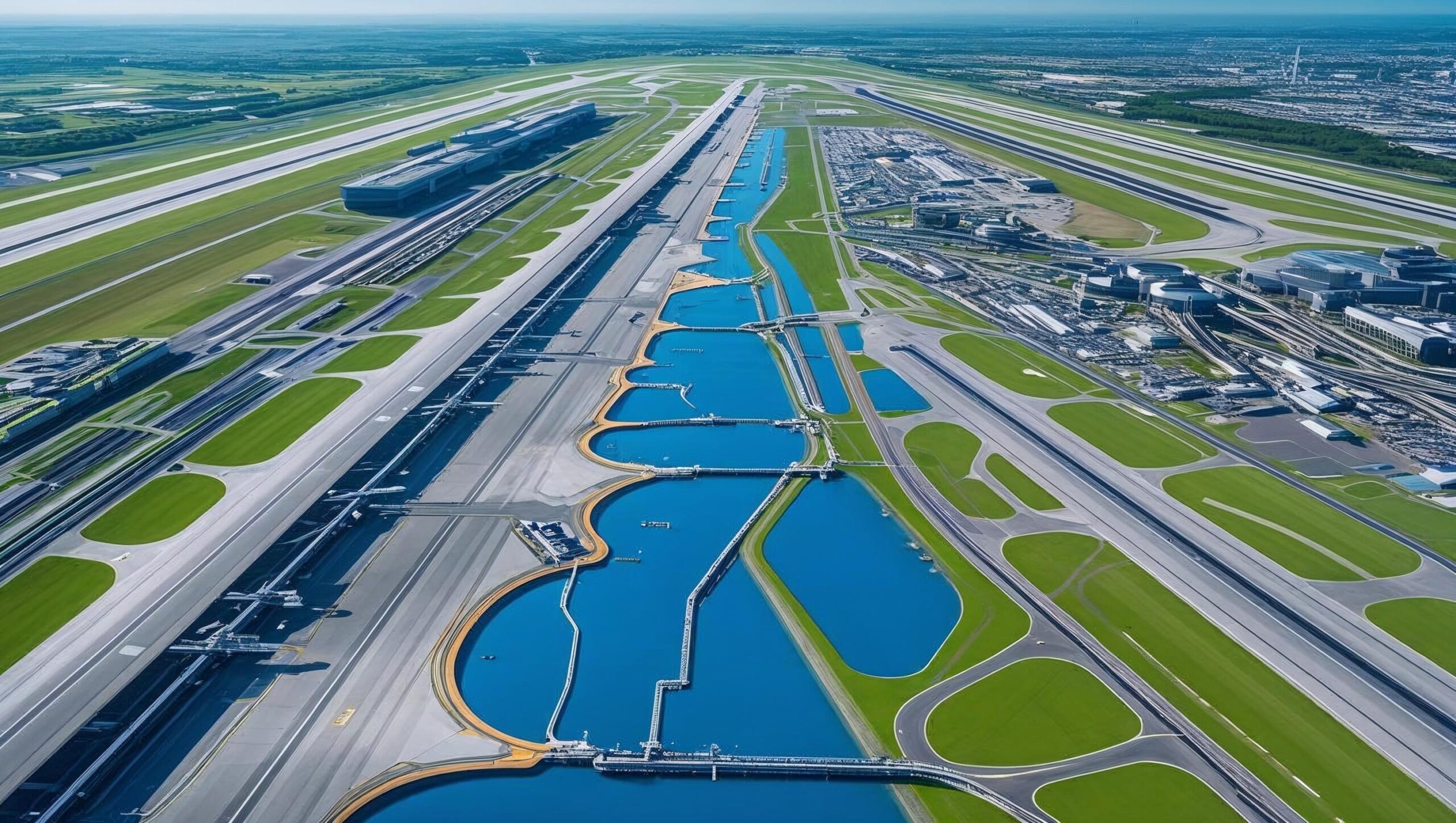
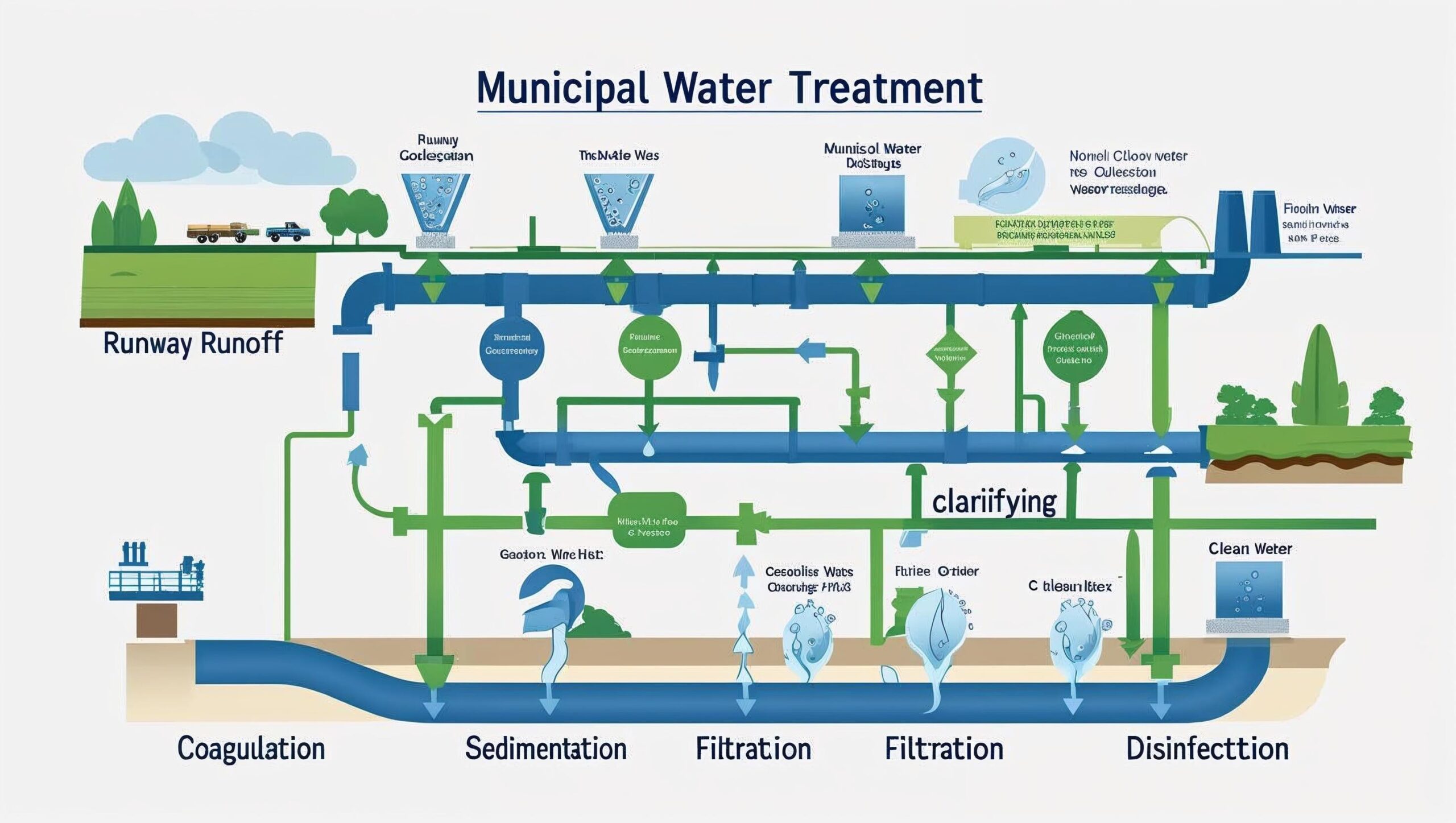
The Challenge: During winter months, aircraft de-icing operations at Heathrow Airport result in significant runoff of glycol-based fluids. This glycol-rich water, if discharged into the surrounding environment, can deplete oxygen levels in rivers and harm aquatic life. The challenge was to implement a robust water treatment system capable of handling large volumes of seasonally variable, contaminated runoff to protect the local ecosystem.

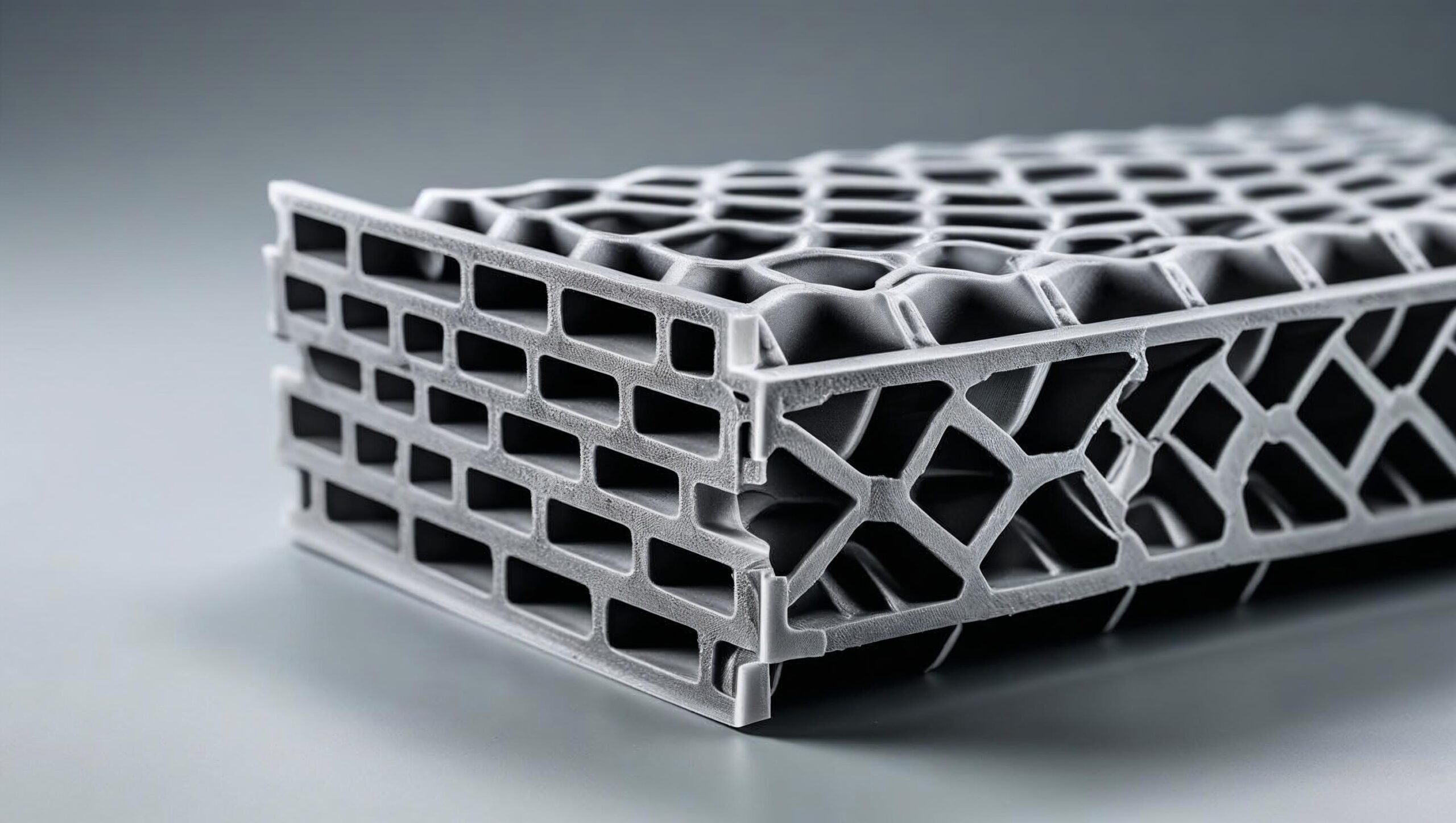
The Solution: An industrial projects company was tasked with installing a cutting-edge water treatment plant. The chosen technology was a Moving Bed Biofilm Reactor (MBBR) system, provided by Veolia. This biological treatment process utilizes thousands of small plastic carriers, which provide a large surface area for beneficial bacteria to grow. These bacteria effectively break down the organic compounds in the glycol.

The plant was designed to be highly resilient and adaptable to the fluctuating loads typical of airport operations. It can be brought online quickly when de-icing is required and maintained in a standby mode during warmer periods.


Key Project Features:

  • Technology: Moving Bed Biofilm Reactor (MBBR).
  • Capacity: Treatment of up to 720,000 liters of runoff per hour.
  • Process: Biological degradation of glycol and other organic contaminants.
  • Operational Flexibility: Ability to handle intermittent and high-volume flows.

The Outcome: The glycol runoff treatment plant at Heathrow is a critical piece of the airport’s environmental management strategy. It successfully prevents the contamination of the nearby River Crane, ensuring the airport’s operations are compliant with environmental regulations and sustainable. This project showcases expertise in handling complex industrial wastewater with a high-tech, reliable biological solution.

From Waste to Steam: The Attero and PEKA KROEF Biomass Partnership

Client: PEKA KROEF, a leading European producer of fresh, chilled potato products.

The Challenge: PEKA KROEF’s potato processing operations, including steam peeling and blanching, required a significant and consistent supply of steam, traditionally generated by burning natural gas. With rising energy costs and a commitment to sustainability, the company sought a more environmentally friendly and economically viable long-term energy solution. The challenge was to secure a reliable, cost-effective, and sustainable steam supply to power their 24/7 operations.

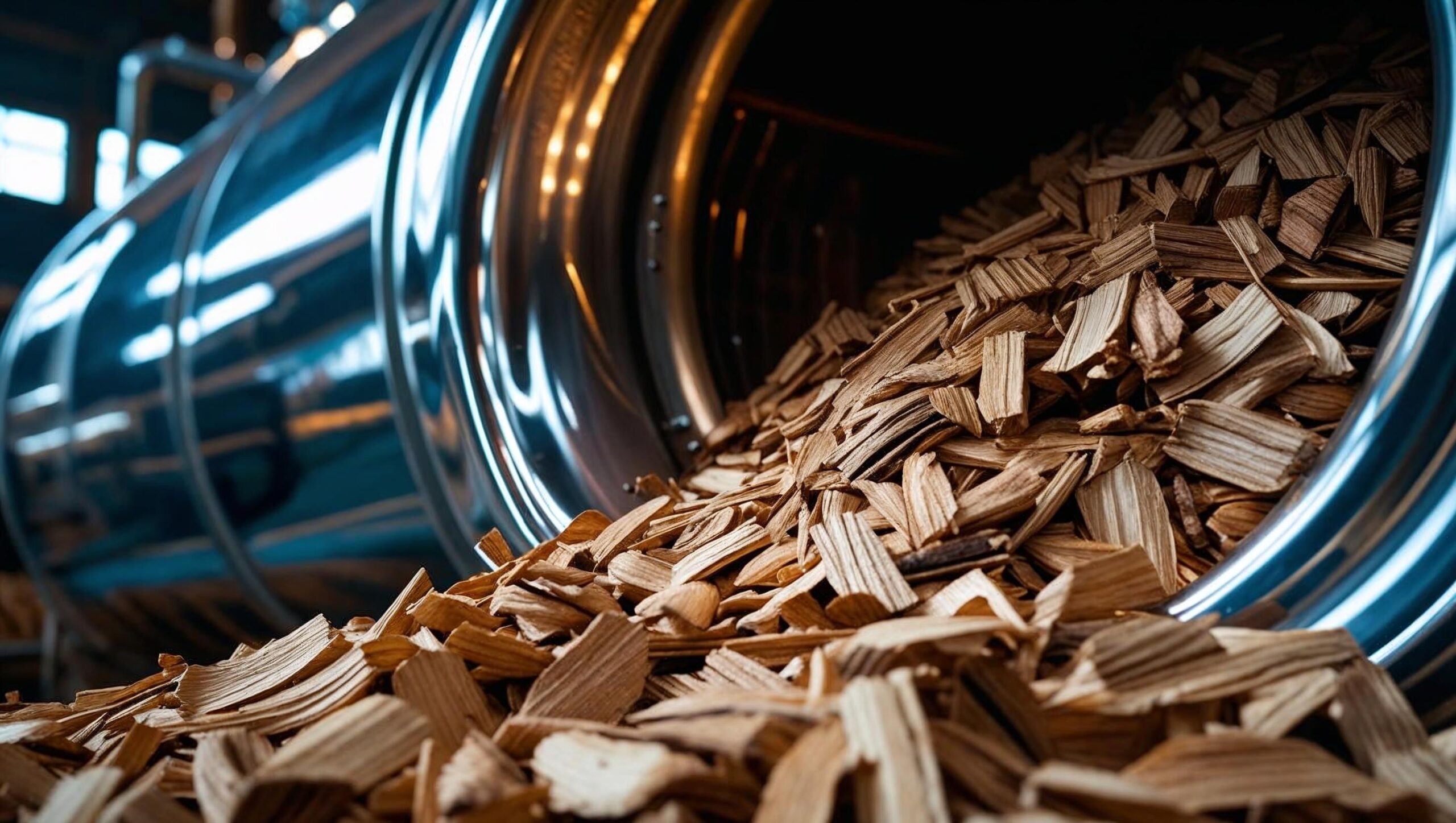
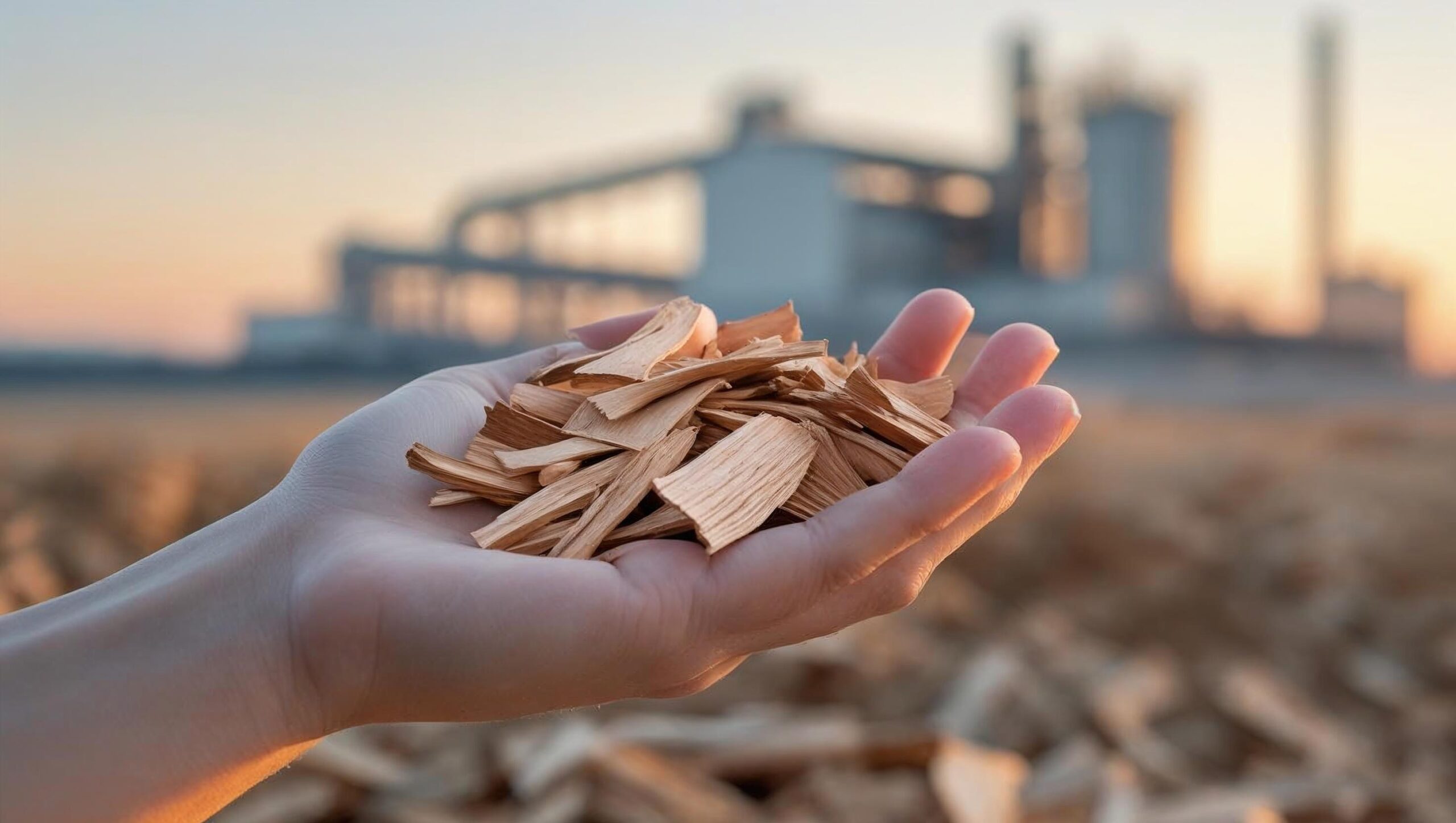
The Solution: An industrial projects company was contracted to design, build, and commission a state-of-the-art biomass boiler facility on-site. The innovative solution involved a partnership with Attero, a waste management company, to source low-grade biomass, including wood chips and composting residues, as fuel.

The core of the project was the installation of a 10 MW fixed-bed biomass boiler. This robust technology was specifically chosen for its ability to handle the variable nature of the low-grade, cost-effective feedstock. The system was designed for high efficiency and featured an advanced flue gas cleaning system to minimize emissions and comply with stringent environmental regulations. This included technology to reduce nitrogen oxides (NOx) and capture particulate matter.

Key Project Features:

  • Fuel Source: Locally sourced, low-grade wood chips and composting residues.
  • Boiler Technology: 10 MW fixed-bed combustion system.
  • Output: 10 tonnes of high-pressure steam per hour.
  • Environmental Controls: Advanced flue gas cleaning, including de-NOx and particulate filtration systems.

The Outcome: The project was a resounding success, demonstrating a circular economy model. The biomass boiler now provides the baseload steam demand for PEKA KROEF’s facility, significantly reducing their reliance on fossil fuels.


Quantifiable Benefits:

  • Natural Gas Displacement: Over 8 million cubic meters of natural gas saved annually.
  • Carbon Footprint Reduction: A significant decrease in greenhouse gas emissions.
  • Cost Savings: Lower and more stable energy costs due to the use of low-cost, readily available biomass.
  • Waste Valorization: Diverting local waste streams from landfills to be used as a valuable energy source.

This project serves as a powerful example of how industrial symbiosis and innovative biomass technology can deliver both economic and environmental benefits.

Chilean Hospital Seismic Fire Upgrade

Safeguarding Health: A Seismic & Fire Upgrade for a Critical Chilean Hospital

Ensuring patient safety and operational continuity through advanced structural and fire protection engineering in one of the world’s most seismically active regions.

The Challenge: Protecting a Lifeline in a High-Risk Zone

For any hospital, the safety of patients and staff is the absolute priority. For a key hospital in Chile, located in a region with significant seismic activity, this priority takes on a new level of urgency. The facility required a comprehensive upgrade to its structural integrity and fire safety systems, not just to meet modern building codes, but to guarantee it could remain operational during and after a seismic event. The project demanded a solution that was meticulously planned and executed to minimize disruption to ongoing patient care while implementing state-of-the-art safety protocols.

The Solution: Integrated Engineering for Uncompromised Safety

Our approach was a fully integrated, two-pronged strategy focusing on seismic resilience and advanced fire suppression.

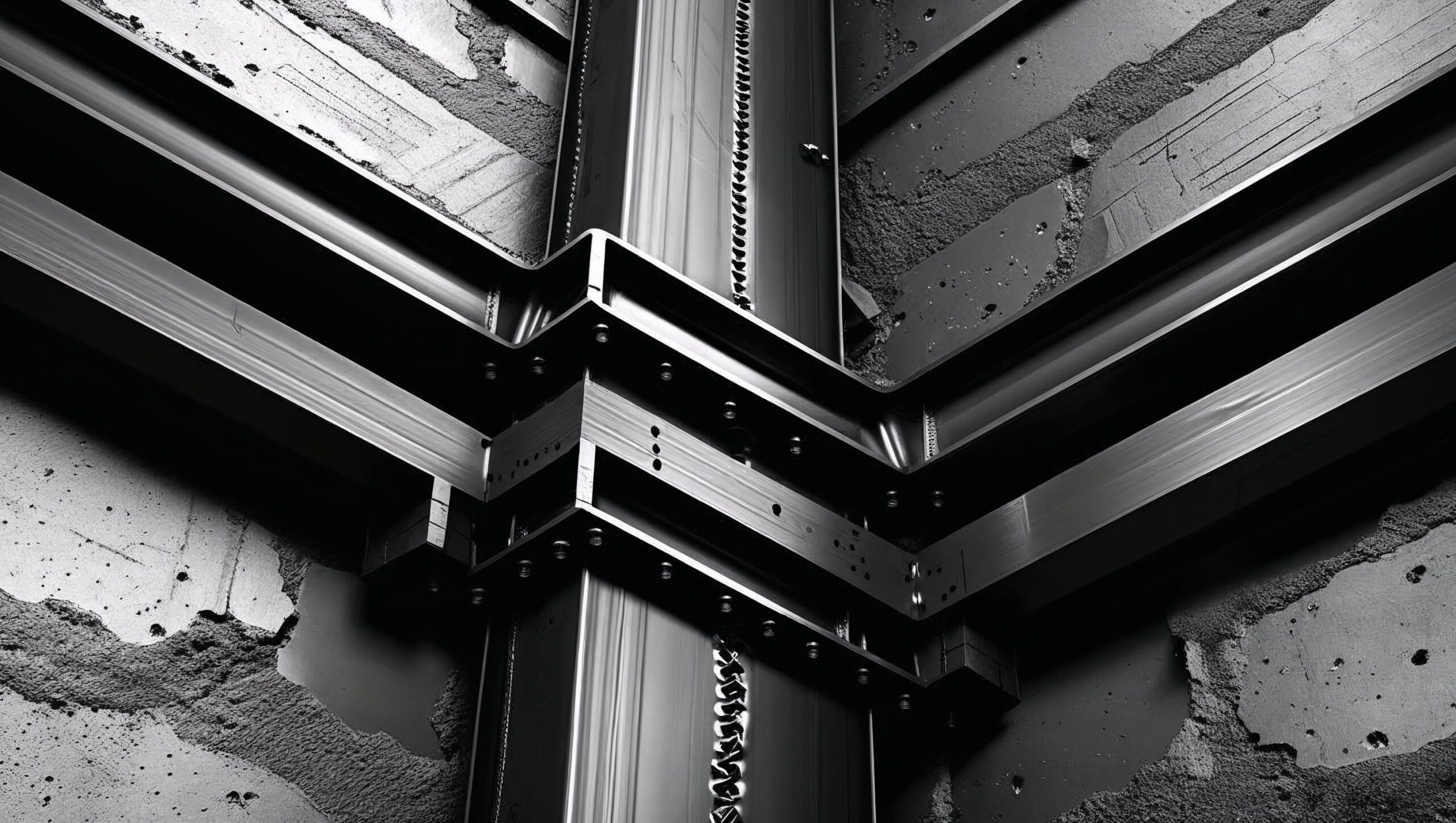
  • Seismic Reinforcement: We engineered and installed a robust seismic upgrade to the building’s core structure. This involved reinforcing critical columns and structural joints with custom-fabricated steel plating and high-strength concrete encasements. The design was calculated to absorb and dissipate seismic energy, protecting the building from catastrophic failure and ensuring it can continue to serve the community when it’s needed most.
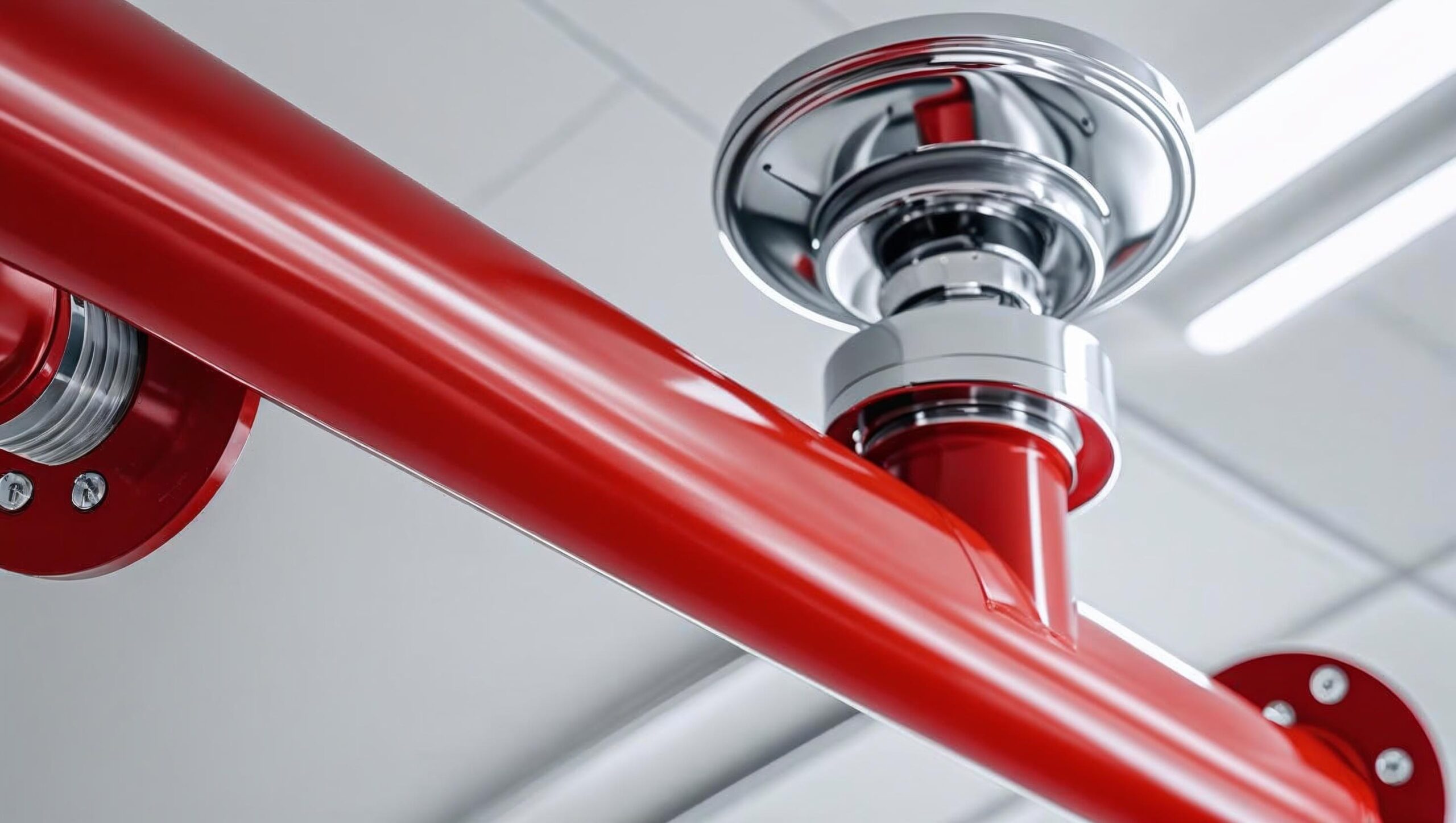
  • Advanced Fire Protection: Simultaneously, we deployed a comprehensive fire safety system. This included the installation of a specialized network of fire-resistant pipelines and the latest generation of sprinkler and alarm systems. All materials and systems were selected for their proven durability and reliability in seismic zones, ensuring the system remains functional even after a significant earthquake.


The Outcome: A Resilient Facility Prepared for the Future

The successful completion of this project has transformed the hospital into a bastion of safety and resilience. The facility now exceeds modern seismic and fire safety standards, providing peace of mind for patients, staff, and the wider community. The strategic, phased execution ensured that the hospital’s vital services were never compromised. This project stands as a testament to our commitment to protecting critical infrastructure with precision, expertise, and a deep understanding of complex environmental challenges.

Colombia Refinery Cooling Systems

Peak Performance Under Pressure: A Full-Scale Cooling Tower Turnaround for Colombia’s Premier Refinery

Executing a critical path, 28-day turnaround to restore and optimize the thermal performance of essential cooling systems, ensuring plant reliability and production continuity.

The Challenge: Restoring Efficiency in a Mission-Critical System

In the high-stakes environment of a major oil refinery, operational efficiency is paramount. The facility’s cooling tower systems, essential for regulating temperatures across key production processes, were showing signs of degradation and underperformance. The client faced a critical challenge: execute a complete overhaul of multiple cooling towers within a tightly scheduled, 28-day plant-wide turnaround. The project demanded flawless execution, absolute adherence to safety protocols, and a guarantee of restored thermal performance without causing a single delay to the plant’s restart schedule.

The Solution: Precision Engineered, Rapidly Deployed

Body: Our team was contracted for a complete turnkey solution, managing every phase from initial inspection to final commissioning. The scope of work was extensive and required meticulous planning to meet the aggressive timeline.

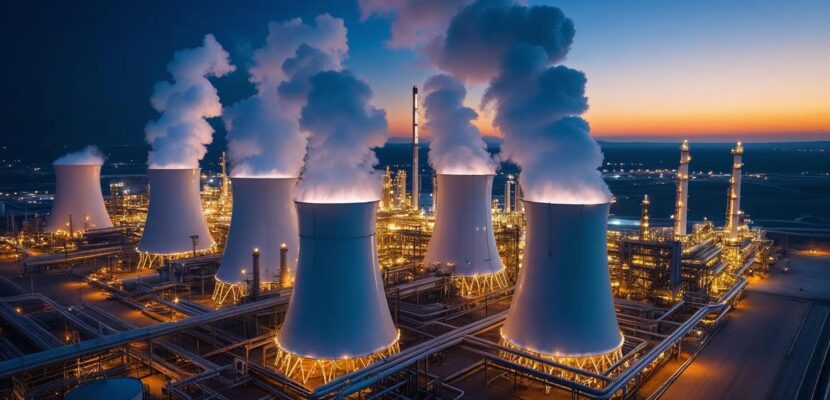
  • Comprehensive Overhaul: We performed a full-scale replacement of the internal components of the cooling towers. This included the installation of high-efficiency PVC fill media and drift eliminators, designed to maximize water-to-air contact and significantly improve thermal efficiency.
  • Structural & Mechanical Restoration: Beyond the internal systems, we undertook critical mechanical and structural repairs. This involved replacing the fan drive shafts, balancing fan assemblies to reduce vibration and wear, and executing fiberglass repairs on the tower structure itself to ensure long-term integrity. Every component was selected and installed to withstand the harsh operating conditions of the refinery environment.


The Outcome: Efficiency Restored, Reliability Ensured

The project was completed on schedule and on budget, a testament to our team’s rigorous planning and execution. The cooling towers were successfully recommissioned, immediately demonstrating restored thermal performance and operational stability. By successfully completing our work within the critical path of the turnaround, we ensured the refinery could resume full production without delay, equipped with a more efficient and reliable cooling system. This project highlights our capability to deliver complex, time-sensitive industrial projects that are fundamental to our clients’ success.