Clear for Takeoff: Heathrow Airport’s Glycol Runoff Solution

Client: Heathrow Airport Holdings
Location: London, United Kingdom
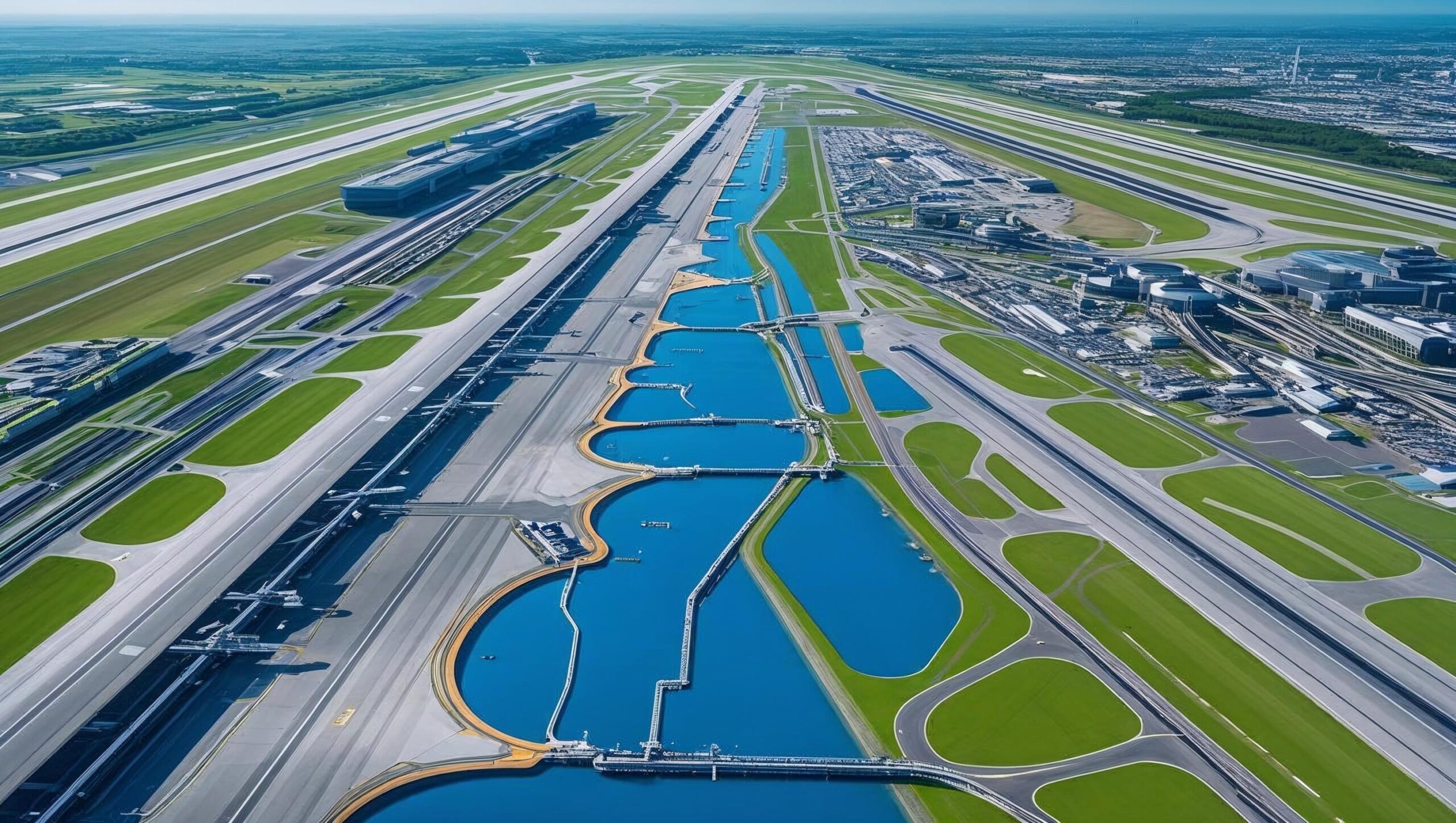
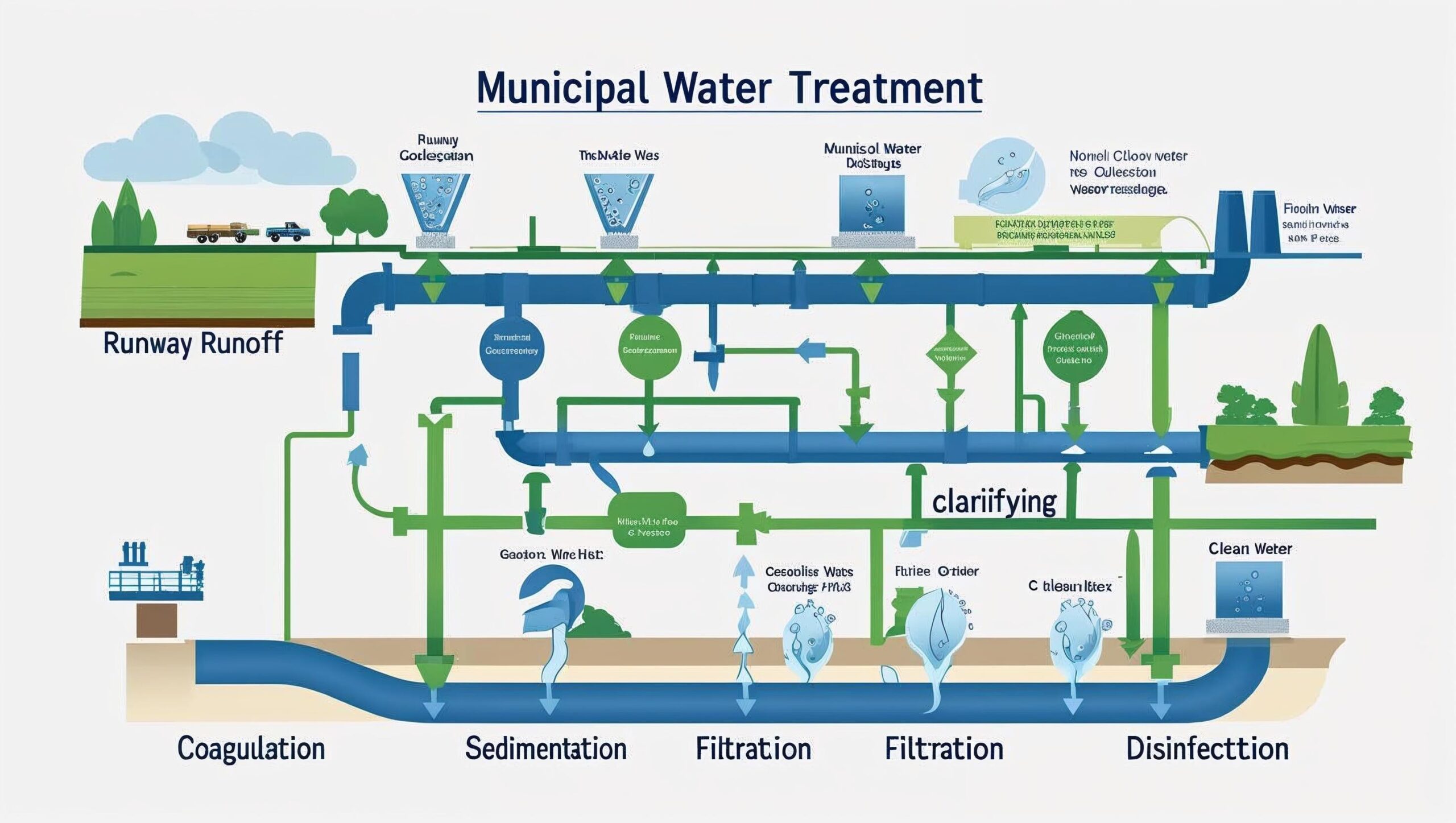
The Challenge: During winter months, aircraft de-icing operations at Heathrow Airport result in significant runoff of glycol-based fluids. This glycol-rich water, if discharged into the surrounding environment, can deplete oxygen levels in rivers and harm aquatic life. The challenge was to implement a robust water treatment system capable of handling large volumes of seasonally variable, contaminated runoff to protect the local ecosystem.
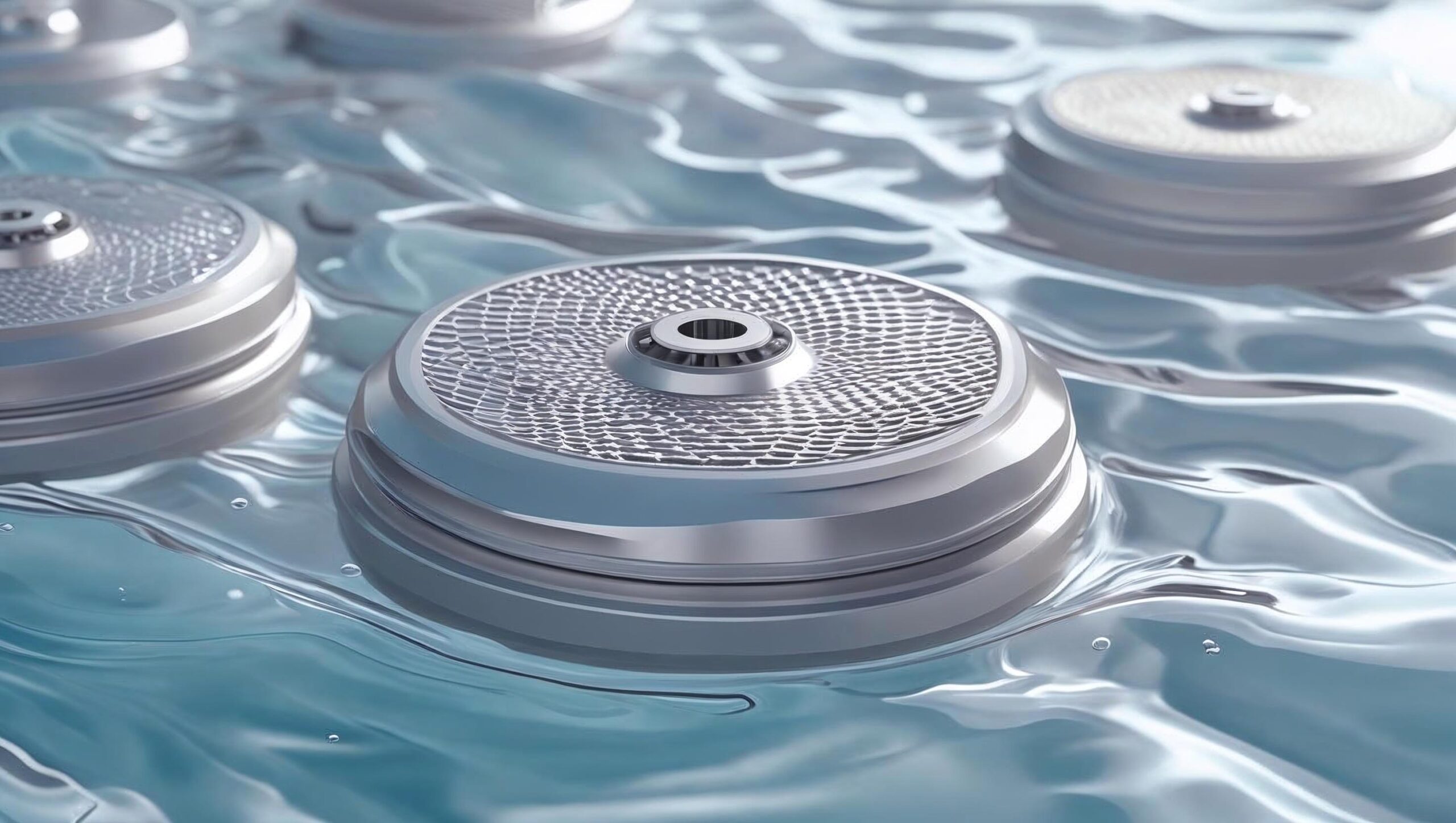
The Solution: An industrial projects company was tasked with installing a cutting-edge water treatment plant. The chosen technology was a Moving Bed Biofilm Reactor (MBBR) system, provided by Veolia. This biological treatment process utilizes thousands of small plastic carriers, which provide a large surface area for beneficial bacteria to grow. These bacteria effectively break down the organic compounds in the glycol.
The plant was designed to be highly resilient and adaptable to the fluctuating loads typical of airport operations. It can be brought online quickly when de-icing is required and maintained in a standby mode during warmer periods.

Key Project Features:
- Technology: Moving Bed Biofilm Reactor (MBBR).
- Capacity: Treatment of up to 720,000 liters of runoff per hour.
- Process: Biological degradation of glycol and other organic contaminants.
- Operational Flexibility: Ability to handle intermittent and high-volume flows.
The Outcome: The glycol runoff treatment plant at Heathrow is a critical piece of the airport’s environmental management strategy. It successfully prevents the contamination of the nearby River Crane, ensuring the airport’s operations are compliant with environmental regulations and sustainable. This project showcases expertise in handling complex industrial wastewater with a high-tech, reliable biological solution.