From Waste to Steam: The Attero and PEKA KROEF Biomass Partnership
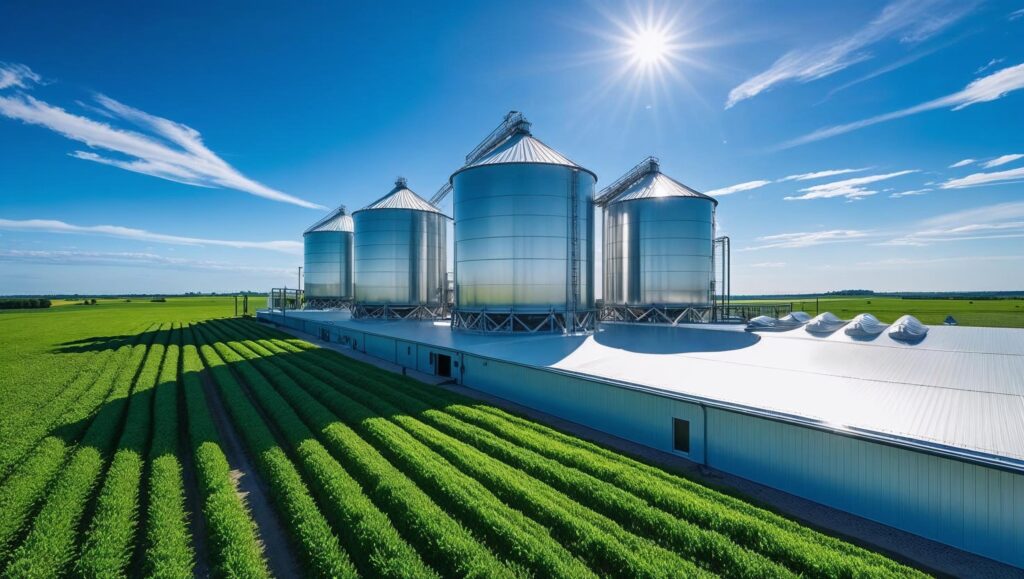
Client: PEKA KROEF, a leading European producer of fresh, chilled potato products.
The Challenge: PEKA KROEF’s potato processing operations, including steam peeling and blanching, required a significant and consistent supply of steam, traditionally generated by burning natural gas. With rising energy costs and a commitment to sustainability, the company sought a more environmentally friendly and economically viable long-term energy solution. The challenge was to secure a reliable, cost-effective, and sustainable steam supply to power their 24/7 operations.
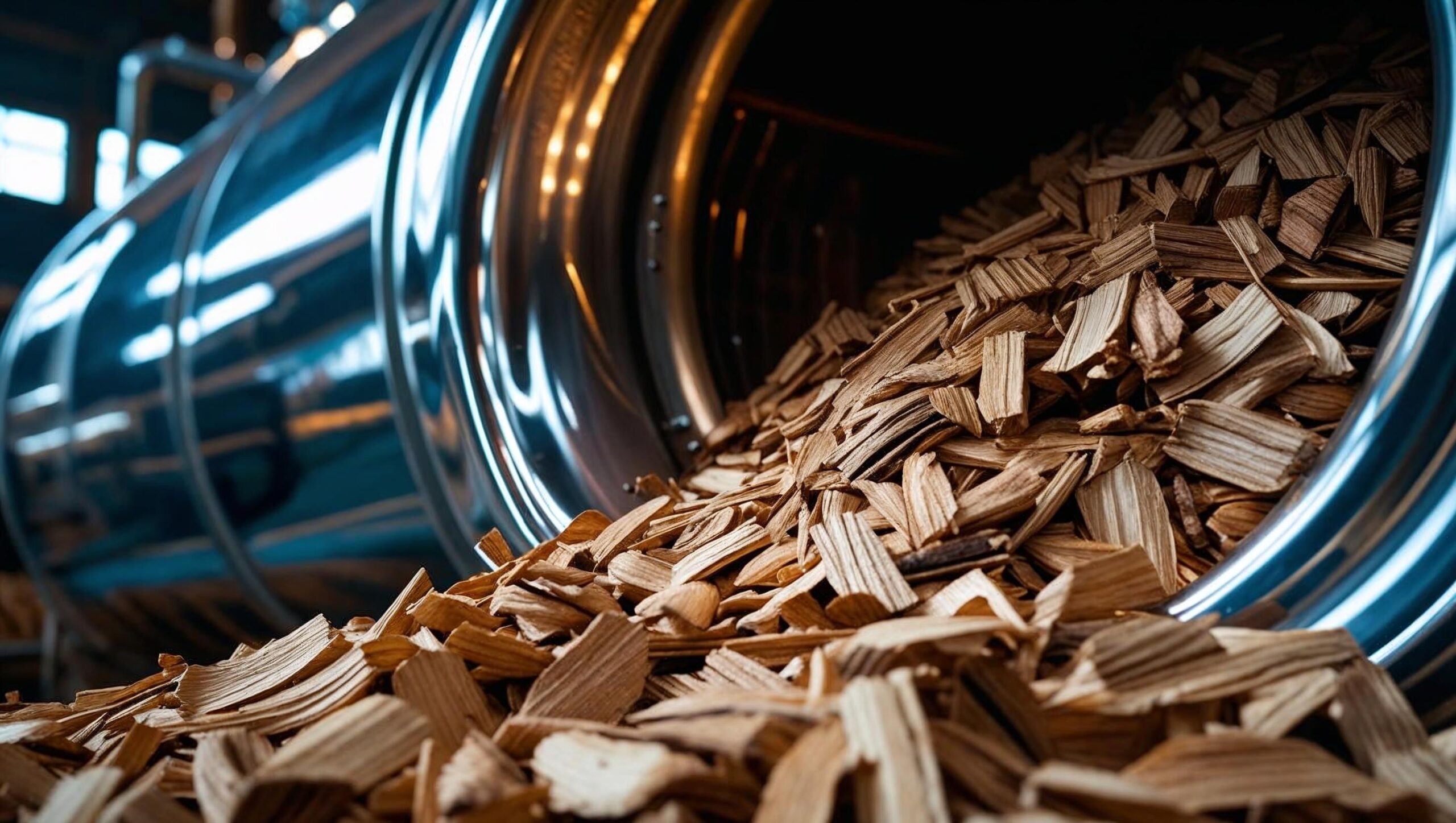
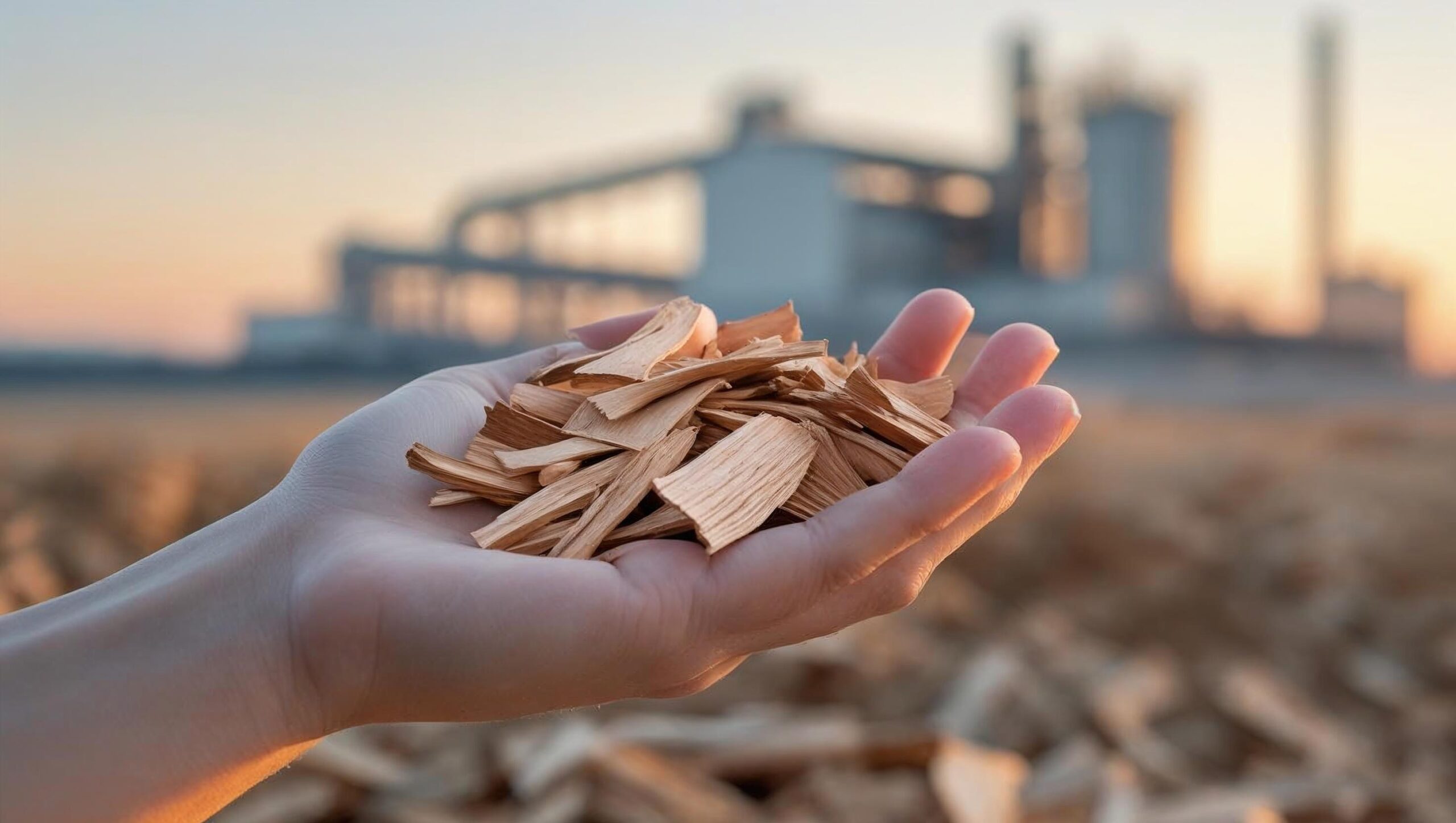
The Solution: An industrial projects company was contracted to design, build, and commission a state-of-the-art biomass boiler facility on-site. The innovative solution involved a partnership with Attero, a waste management company, to source low-grade biomass, including wood chips and composting residues, as fuel.
The core of the project was the installation of a 10 MW fixed-bed biomass boiler. This robust technology was specifically chosen for its ability to handle the variable nature of the low-grade, cost-effective feedstock. The system was designed for high efficiency and featured an advanced flue gas cleaning system to minimize emissions and comply with stringent environmental regulations. This included technology to reduce nitrogen oxides (NOx) and capture particulate matter.
Key Project Features:
- Fuel Source: Locally sourced, low-grade wood chips and composting residues.
- Boiler Technology: 10 MW fixed-bed combustion system.
- Output: 10 tonnes of high-pressure steam per hour.
- Environmental Controls: Advanced flue gas cleaning, including de-NOx and particulate filtration systems.
The Outcome: The project was a resounding success, demonstrating a circular economy model. The biomass boiler now provides the baseload steam demand for PEKA KROEF’s facility, significantly reducing their reliance on fossil fuels.


Quantifiable Benefits:
- Natural Gas Displacement: Over 8 million cubic meters of natural gas saved annually.
- Carbon Footprint Reduction: A significant decrease in greenhouse gas emissions.
- Cost Savings: Lower and more stable energy costs due to the use of low-cost, readily available biomass.
- Waste Valorization: Diverting local waste streams from landfills to be used as a valuable energy source.
This project serves as a powerful example of how industrial symbiosis and innovative biomass technology can deliver both economic and environmental benefits.